

At GLOBALHealthPR, we are proud to announce our official support for World Hepatitis Day, July 28, 2016, joining a plethora of organisations fighting to ELIMINATE chronic Hepatitis C. World Hepatitis Day unites people from all walks of life to raise awareness of the substantial global burden of viral hepatitis and to provoke real change in disease prevention, testing and treatment options. The theme for this year’s World Hepatitis Day is ELIMINATION.
Watch the campaign video here.
What is Hepatitis C?
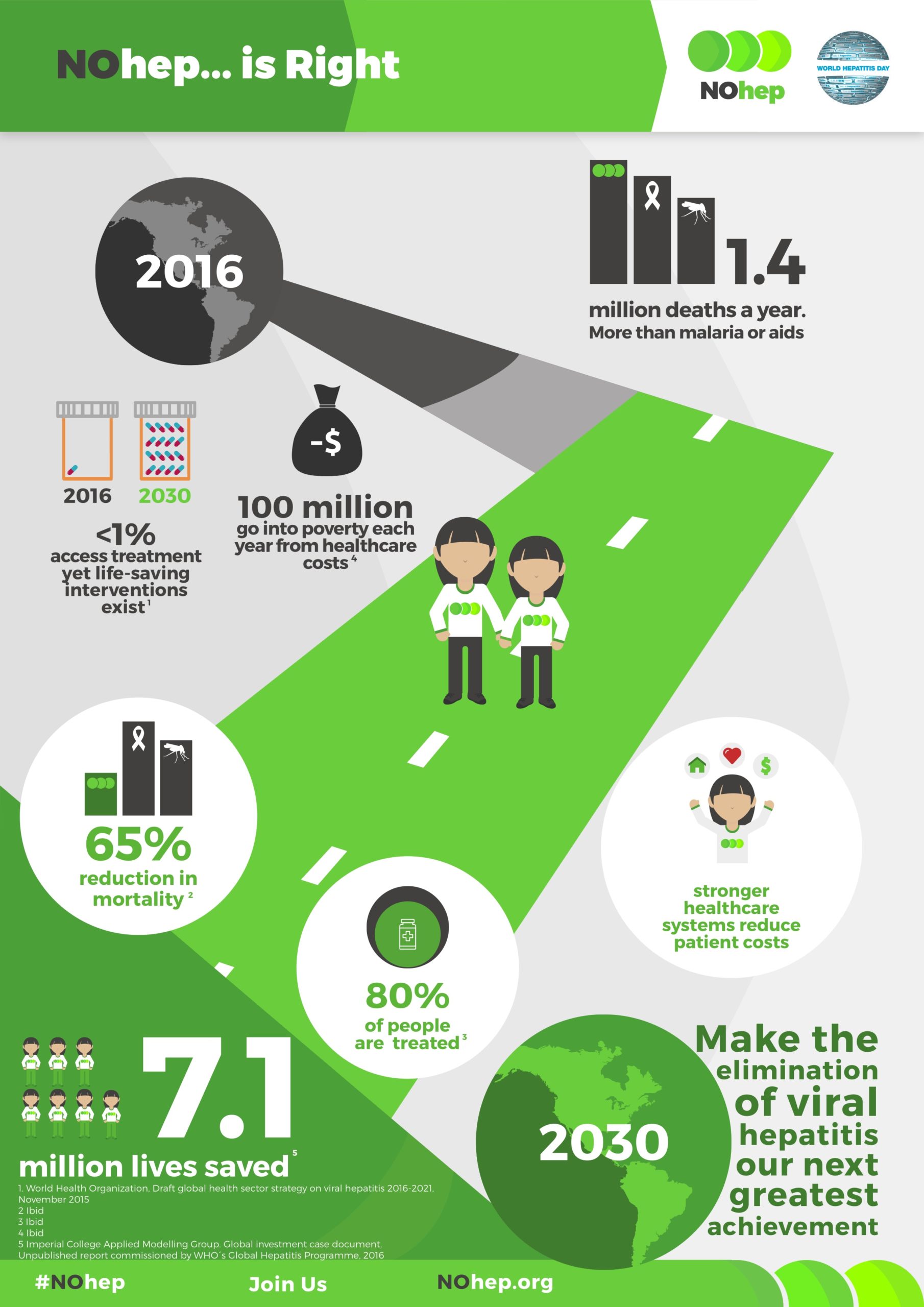
Chronic Hepatitis C virus (HCV) is a major global health issue affecting approximately 170 million people worldwide. If left untreated, HCV can progress to cirrhosis (scarring of the liver), liver cancer and liver failure.
HCV is a silent disease – an alarming 95% of people living with viral hepatitis are unaware they have the disease. In May 2016, World Health Organization (WHO) member States that attended the World Health Assembly, Geneva, Switzerland, committed to ELIMINATING viral hepatitis by 2030. The WHO Global Health Sector Strategy (2016-2021) on viral hepatitis aims to reduce the annual death rate from chronic hepatitis from 1.4 million to less than 0.5 million by 2030.
World Hepatitis Day (July 28, 2016) provides an important reminder for families and communities to talk about viral hepatitis and ensure we turn the tide on Hepatitis B and Hepatitis C.
According to Raquel Peck, CEO of the World Hepatitis Alliance, London, UK, “We are at a turning point for viral hepatitis. We have the tools; we have the commitment; what we need now is action. “We are asking all stakeholders to join us in celebrating the launch of NOhep on World Hepatitis Day, to help eliminate viral hepatitis – an illness that affects 400 million people worldwide.”
#Nohep
Nohep is a global World Hepatitis Alliance movement that aims to unite the hepatitis community and broader public to take action and call upon governments to ensure global commitments are met by 2030.
WHY Nohep?
- Nohep… is RIGHT
4,000 deaths per day is 4,000 too many. Join Nohep… for greater access to life-saving medicines and vaccines
- Nohep… is SMART
Eliminating hepatitis C will pay for itself by 2030. Join Nohep… to ensure governments make smart investments
- Nohep … is FOR ALL
Viral hepatitis stigma stops people working, learning and having relationships. Join Nohep… to end stigma and stop discrimination
- Nohep… OUR NEXT GREATEST ACHIEVEMENT
Taking action now will save 7 million lives by 2030. Join Nohep… to make the elimination of viral hepatitis our next greatest achievement.
HOW?
- VACCINATE for Nohep
300,000 cancer deaths a year can be prevented. Join Nohep… for universal vaccination coverage.
- TEST for Nohep…
95 per cent of people living with viral hepatitis don’t know they are living with the disease. Join Nohep… for increased testing among those at-risk.
- TREAT for Nohep…
4,000 people die each day, yet life-saving medicines exist. Join Nohep… for greater access to life-saving treatments.
How can you support World Hepatitis Day?
Great strides have already been made, but so much more can be done to ensure 2016 is the beginning of the end of viral hepatitis.
To pledge your support to ELIMINATE viral hepatitis:
- Sign up to eliminate viral hepatitis by 2030 at http://www.nohep.org/.
- Share photos from your events to show the world how you are contributing to the ELIMINATION of viral hepatitis. Upload your photos to http://worldhepatitisday.org/en/gallery or tweet your pictures using #World HepDay.
- Sign up to the Nohep Thunderclap before 9:00 am ET at https://www.thunderclap.it/projects/43213-nohep-eliminate-hepatitis to share the following message on your elected social media channels.




 In the UK, gifts are traditionally delivered by Father Christmas overnight on Christmas Eve. We hang up stockings near the fireplace so when Father Christmas comes down the chimney he can fill our stockings with presents. We also leave a sherry and mince pie for him, and a carrot for his reindeer. Christmas Day is about giving and receiving presents from friends and family and eating as much food as is humanly possible, followed by the Queen’s speech and a snooze.
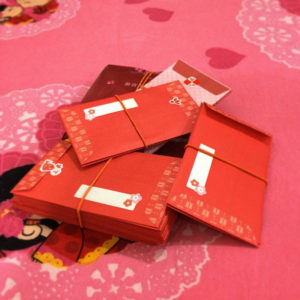 pore, only those who celebrate Christmas will exchange gifts with each other during the Holidays. For Chinese New Year, Ang Pows, red packets containing cash, are the traditional gift of choice. We give them to children, the elderly and the unmarried. You have to make sure the cash in in Ang Pow adds up to an even number like $4, $8 or $10 for good luck.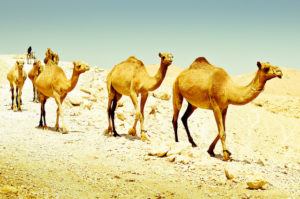
 Families come together for a big feast that starts when the first stars begin to show. When the children are not paying attention, someone will vanish from the house to dress up as Santa. ‘Santa’ rings a bell to announce his arrival with presents and then hands gifts out to everybody, in exchange for the singing of a song. ‘Santa’ is of course invited for the feast and some vodka. For many years on, kids remember how they either: Did not recognise Santa was their favourite uncle; or recognised their uncle by his old shoes.
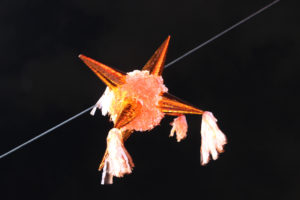 . Piñatas are filled with candy and small gifts, and we take turns trying to break them open with a bat or broom stick while blindfolded. When someone finally cracks a piñata open, the candy and presents fall to the floor and the kids launch themselves to the ground trying to grab as many sweets and presents as possible. Though piñatas are often present at birthday parties, the tradition is most strongly associated with Christmas.
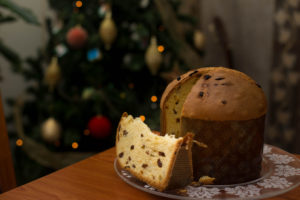 we open gifts on December 24th, precisely at 12:00 a.m. along with a family toast. Everybody shares a good panettone (a sweetbread with dried fruit), and we throw firecrackers in celebration. The children also receive gifts on January 6th, from the Three Wise Men. The kids leave their shoes outside the night of the 5th, with some water and grass for the Wise Men’s camels, and wake up to find presents left by their shoes. At the same time as Christmas we start our summer and school vacations, so common gifts for kids include toys for the beach or the swimming pool.
 giving tradition is that our children, and of course well-behaved grownups, put their polished shoes in front of the door on the eve of December 6th. Later that night, St. Nicolas arrives to fill the shoes with candy and small gifts. The next morning we decorate the Christmas tree and go to church. After church, we celebrate Christmas with family, sharing gifts, music and a traditional Christmas dinner. Favourite menu items include trout or another fish, potato salad and sausages or duck.
 open just one gift on Christmas Eve, and everybody knows what’s in the box – Christmas pajamas! This gets everyone ready for bed and looking spiffy for Christmas morning. That night, after the kids have gone to sleep, Santa Claus sneaks down the chimney and leaves presents under the tree for the good boys and girls. In the morning everyone meets up at the tree, looking fly in our Christmas PJ’s, and shares gifts with friends and family.